

The Evolution of Flight Training with AATDs
Updated: Feb 16
Understanding Advanced Aviation Training Devices
Advanced aviation training devices are sophisticated simulators designed to replicate the cockpit environment and flight conditions of various aircraft. They range from simple desktop simulators to full-motion devices that mimic the physical sensations of flying. The primary goal of AATDs is to provide pilots with a safe, cost-effective, and efficient way to train and maintain proficiency.
AATDs are certified by aviation authorities and meet specific standards to ensure they accurately represent the aircraft systems and flight dynamics. These devices allow pilots to practice normal operations, emergency procedures, and complex scenarios that would be difficult or dangerous to replicate in real life.
Key Features of AATDs
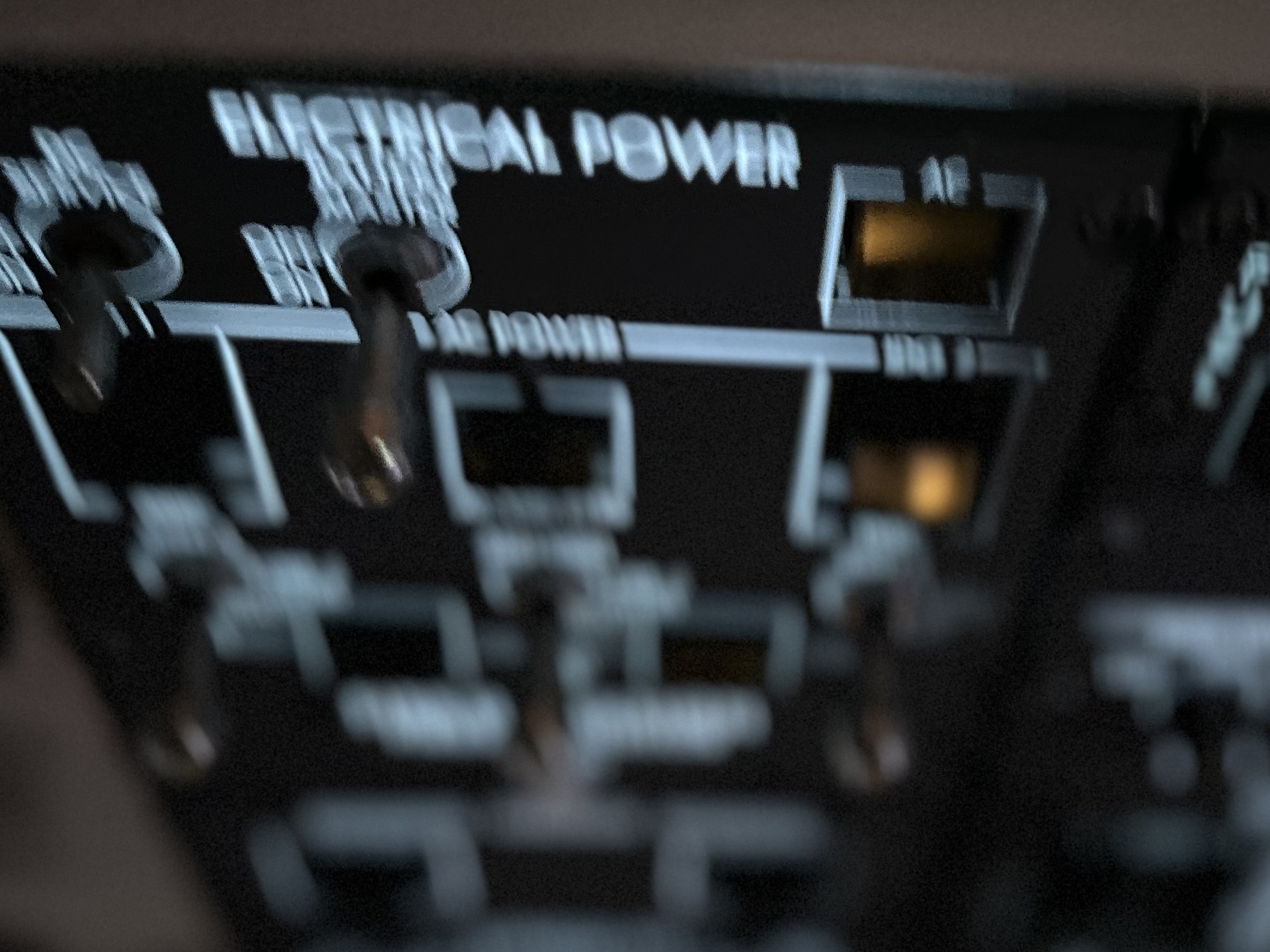
Realistic cockpit layout: Replicates the controls, instruments, and displays of the actual aircraft.
Flight dynamics simulation: Models the aircraft’s behavior under various conditions.
Scenario customization: Enables instructors to create specific training scenarios.
Debriefing tools: Provides detailed feedback and performance analysis.

Benefits of Using Advanced Aviation Training Devices
The integration of AATDs into flight training programs offers numerous advantages for both trainees and training organizations. Here are some of the most significant benefits:
Enhanced Safety
Training in an AATD eliminates the risks associated with practicing emergency procedures or handling system failures in an actual aircraft. Pilots can experience and learn to manage critical situations without endangering themselves or others.
Cost Efficiency
Operating real aircraft for training is expensive due to fuel, maintenance, and wear and tear. AATDs reduce these costs by allowing extensive practice on simulators, which require minimal operational expenses.
Flexibility and Accessibility
Simulators can be used regardless of weather conditions or time of day, providing consistent training opportunities. This flexibility helps maintain pilot proficiency and supports continuous learning.
Improved Skill Retention
Repetitive practice in a controlled environment helps pilots retain skills better. The ability to pause, review, and repeat scenarios enhances understanding and muscle memory.
Environmental Impact
Using simulators reduces the carbon footprint associated with flight training by minimizing actual flight hours.
Types of Advanced Aviation Training Devices
AATDs come in various forms, each suited to different training needs and budgets. Understanding these types helps training providers select the right device for their programs.
Basic Aviation Training Devices (BATDs)
BATDs are entry-level simulators that provide fundamental flight training. They typically feature basic cockpit layouts and limited flight dynamics. BATDs are ideal for initial pilot training and procedural practice.
Advanced Aviation Training Devices (AATDs)
AATDs offer a higher level of realism and functionality compared to BATDs. They include more detailed cockpit replicas, enhanced flight dynamics, and the ability to simulate complex scenarios. These devices are suitable for advanced training and recurrent checks.
Flight Training Devices (FTDs)
FTDs are more sophisticated simulators that often include partial or full cockpit replicas with motion systems. They provide a highly immersive experience and are used for type-specific training and certification.
Full Flight Simulators (FFSs)
FFSs are the most advanced training devices, featuring full-motion platforms and complete cockpit replicas. They offer the highest level of realism and are used for comprehensive pilot training and licensing.

How AATD Simulators Enhance Pilot Training
The use of an AATD simulator in flight training programs has revolutionized how pilots learn and maintain their skills. Here are some practical ways these devices enhance training:
Scenario-Based Training
Instructors can design specific scenarios such as engine failures, adverse weather, or system malfunctions. Pilots practice decision-making and problem-solving in a risk-free environment, improving their readiness for real-world situations.
Recurrent Training and Proficiency Checks
AATDs allow pilots to undergo recurrent training and proficiency checks without the need for actual flight time. This ensures pilots remain current with procedures and regulations.
Crew Resource Management (CRM)
Simulators facilitate CRM training by enabling multi-crew coordination exercises. Pilots learn communication, teamwork, and leadership skills essential for safe operations.
Customizable Training Programs
Training can be tailored to individual pilot needs, focusing on areas requiring improvement. This personalized approach maximizes training effectiveness.
Data-Driven Feedback
Simulators record detailed data during sessions, allowing instructors to provide objective feedback. Pilots can review their performance and identify areas for growth.
Implementing AATD Simulators in Flight Schools
For flight schools and training centers, integrating AATD simulators requires careful planning and investment. Here are some actionable recommendations:
Assess Training Needs
Evaluate the types of aircraft and training programs offered to determine the appropriate level of simulator.
Choose Certified Devices
Select AATDs that meet regulatory standards to ensure training credits and certification validity.
Invest in Instructor Training
Ensure instructors are proficient in using simulators and interpreting data for effective training delivery.
Develop Comprehensive Curriculum
Incorporate simulator sessions into the overall training syllabus, balancing simulator and actual flight time.
Maintain and Update Equipment
Regular maintenance and software updates keep simulators accurate and reliable.
Leverage Technology for Remote Training
Explore options for remote or virtual training sessions to expand accessibility.
By following these steps, training organizations can maximize the benefits of AATD simulators and enhance their training quality.
The Future of Flight Training with AATD Simulators
As technology advances, AATD simulators continue to evolve, offering even more realistic and immersive training experiences. Innovations such as virtual reality (VR), artificial intelligence (AI), and enhanced motion systems are shaping the future of flight training.
Virtual Reality Integration: VR can create highly immersive environments, allowing pilots to experience diverse scenarios with greater realism.
AI-Driven Training: AI can analyze pilot performance in real-time and adapt training scenarios to individual needs.
Enhanced Motion and Visual Systems: Improvements in motion platforms and visual displays increase the fidelity of simulations.
These developments promise to make flight training safer, more efficient, and more accessible worldwide.
Conclusion
Flight training is a critical component of aviation safety and efficiency. The use of advanced aviation training devices, including the AATD, represents a significant leap forward in how pilots are trained. By providing realistic, flexible, and cost-effective training solutions, AATDs are shaping the future of aviation education and helping to produce highly skilled pilots ready to meet the challenges of modern flight.
Additional Insights on AATD Simulators
The Role of Technology in Flight Training
Technology has fundamentally changed how pilots are trained. AATDs are at the forefront of this transformation. They allow for a level of training that was previously unimaginable. With the ability to simulate various flight conditions, pilots can experience a wide range of scenarios without the associated risks.
The Importance of Continuous Learning
In aviation, continuous learning is essential. AATDs facilitate this by providing pilots with opportunities to practice regularly. This ongoing training helps pilots stay sharp and prepared for any situation they may encounter in the air.
The Global Impact of AATD Simulators
The benefits of AATD simulators extend beyond individual training. They contribute to overall aviation safety and efficiency on a global scale. By improving pilot training, AATDs help reduce accidents and enhance the reliability of air travel.
Future Trends in Aviation Training
Looking ahead, the integration of more advanced technologies into AATDs will likely continue. Innovations such as augmented reality (AR) and machine learning could further enhance training programs. As these technologies develop, they will provide even more effective training solutions for pilots.
By embracing these advancements, the aviation industry can ensure that pilots are well-prepared for the challenges of flying in an increasingly complex airspace.


Comments